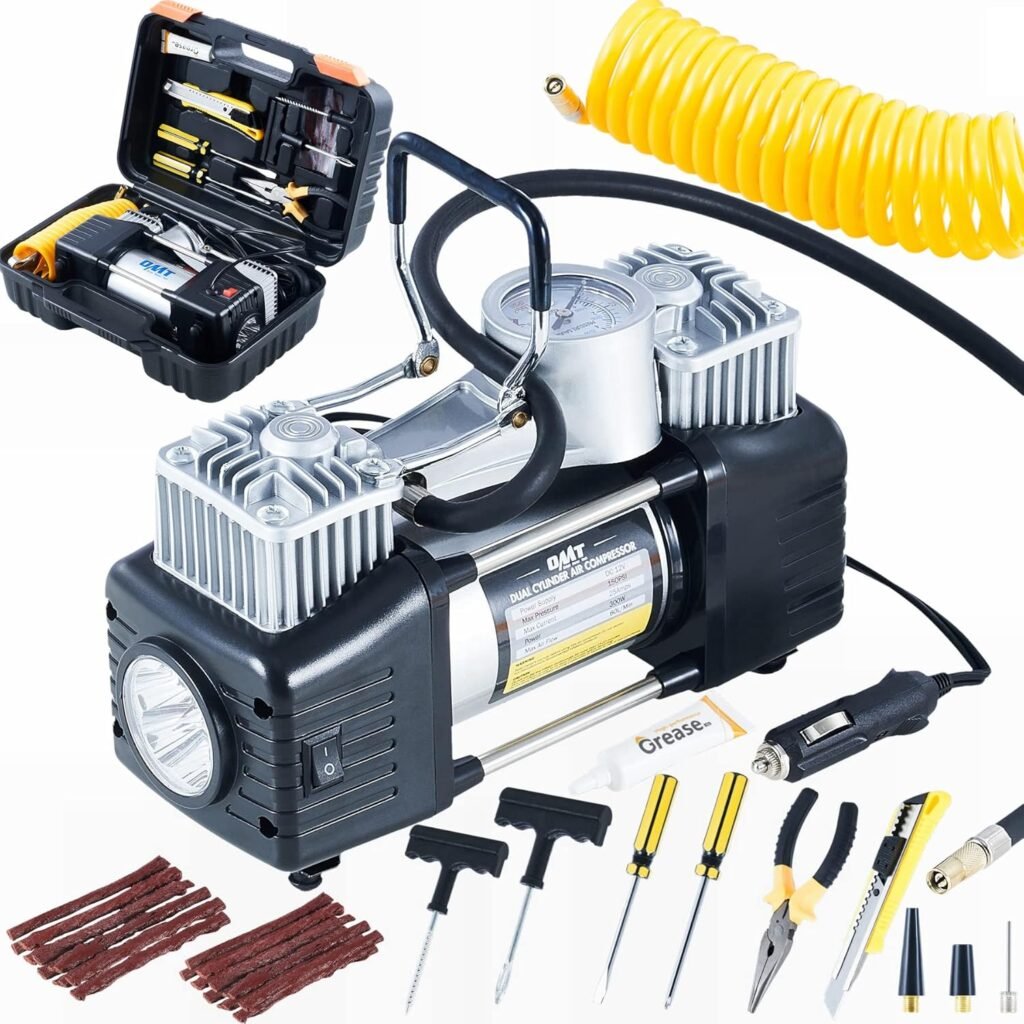
Properly inflated tires aren't just about avoiding a flat; they're the silent guardians of your driving experience. They keep you safe on the road, ensure your car handles predictably, extend your tire's life, and even stretch your fuel budget a little further. Ignore them, and you risk decreased control, longer stopping distances, and a higher chance of tire failure. That's why having a reliable tire inflator and knowing how to use it—and fix it when it acts up—is non-negotiable for any driver.
But what happens when your trusty air compressor or tire inflator decides to stage a silent protest? When it hums but doesn't fill, or worse, doesn't even turn on? That's precisely what we're going to dive into today: Troubleshooting Common Air Compressor & Tire Inflation Issues. We'll cut through the confusion and get you back to confidently maintaining your vehicle's most critical contact points with the road.
At a Glance: Your Quick Troubleshooting Cheat Sheet
- No Power? Start by checking connections, then fuses (both inflator and vehicle).
- Low Pressure Build-up? Most likely a leak in the hose, connection, or tire valve.
- Overheating? Give your inflator a break; it's probably tired.
- Can't Reach Desired PSI? Your inflator might be underpowered, or there's a stubborn leak.
- Blowing Car Fuses? Check fuse ratings, inspect cords for damage, and consider an internal inflator issue.
- Preventive Care: Regular checks and proper storage are your inflator's best friends.
Understanding Your Tire Inflation Toolkit: The Basics Before the Fixes
Before we tackle the snags, a quick primer on how these handy devices work and what types you might encounter. Essentially, a tire inflator draws in ambient air, compresses it, and then directs that pressurized air into your tire. Simple in concept, vital in application.
You'll typically come across a few main types:
- Manual Tire Inflators: The old-school, pump-it-yourself kind. Great for emergencies or bikes, but not ideal for car tires unless you enjoy a workout.
- Electric Tire Inflators: The most common. These plug into a standard wall socket (110V AC) for garage use or your car's 12V auxiliary (cigarette lighter) outlet for on-the-go inflation.
- Battery-Powered Tire Inflators: Offering maximum portability, these run on rechargeable batteries. Perfect for quick top-offs or when you're nowhere near a power outlet.
Regardless of type, the core components generally include a power source, a motor (for electric/battery models), gears, a piston and cylinder to compress air, a cooling fan, valves to control airflow, a pressure sensor (often with a digital display and auto-shutoff), and a hose with a connector for your tire valve. Knowing these parts exist, even if you don't delve into their intricacies, helps narrow down potential problems. For a more comprehensive look at the overall process, check out our Guide to airing up.
Your Inflator Won't Turn On? Let's Get It Started.
This is arguably the most frustrating problem: you need air, and your tool gives you nothing. Don't panic. Most "dead" inflators are suffering from a simple power issue.
Checking Your Power Source: The First Line of Defense
For electric inflators that plug into a wall, confirm the outlet is functioning. Test it with another appliance. If it's a 12V car inflator, ensure your vehicle's ignition is "on" or in the "accessory" position. Many 12V outlets are only live when the car is running or in accessory mode.
If you have a battery-powered inflator, the solution might be as simple as recharging the battery. If it's fully charged and still no dice, the battery itself might be past its prime and need replacing.
The Case of the Blown Fuse: A Small Part, a Big Impact
Fuses are designed to be the weakest link, protecting your more expensive equipment from power surges. When they blow, they save the day by sacrificing themselves.
- Inflator's Internal Fuse: Many 12V car inflators have a small fuse located inside the tip of the 12V plug itself. Unscrew the tip, and you'll often find a tiny glass or blade fuse. If it's blackened or the wire inside is broken, it's blown. Replace it with one of the exact same amperage.
- Vehicle's Fuse Box: Your car's 12V power outlet also has its own fuse in the vehicle's main fuse box (check your car's owner's manual for its location and the specific fuse for the accessory outlet). If this fuse is blown, the outlet won't work, and neither will anything you plug into it. Again, replace it with the correct amperage. Never use a fuse with a higher amperage rating, as this can lead to serious electrical damage or fire.
Stuck in the Low-Pressure Zone? Here's Why.
Your inflator is on, humming along, but the PSI isn't climbing as it should, or it's taking an eternity. This usually points to air escaping somewhere it shouldn't be.
Seal the Deal: Leaky Connections
Air compressors and inflators rely on a sealed system to build pressure. Any breach, no matter how small, can drastically reduce efficiency.
- Hose Inspection: Carefully run your hand along the entire length of the inflator hose. Look for visible signs of wear, tears, cracks, or damage. Pay close attention to the points where the hose connects to the inflator body and to the tire valve connector.
- Tire Valve Connection: This is a prime suspect. Ensure you have a tight seal when connecting the inflator hose to the tire valve. Some connectors screw on, others are quick-connect levers. Make sure they're fully engaged. If using a screw-on type, don't overtighten, but ensure it's snug.
- The Soapy Water Test: To find tiny leaks, mix some dish soap with water in a spray bottle or cup. Spray or brush the solution onto all connections (hose to inflator, hose to valve connector, valve connector to tire stem). If you see bubbles forming, you've found your leak.
Solutions: - Tighten any loose connections.
- Replace damaged hoses or faulty connectors. These parts are often user-replaceable and relatively inexpensive.
The Heat is On: Overheating Inflators
If your inflator gets unusually hot and its performance drops, it might be overheating. This is particularly common with smaller, portable units that aren't designed for prolonged, continuous use.
- Why it happens: Continuous operation without adequate breaks, especially when trying to inflate a very flat or large tire, can push the motor beyond its limits. Blocked air vents can also restrict cooling.
- What to do: Immediately turn off the inflator and let it cool down for at least 15-20 minutes. Ensure all air vents are clear of debris or obstructions. Try to limit continuous run times and give your inflator short breaks, especially during longer inflation tasks.
- When to worry: If your inflator persistently overheats even after short bursts of use, or if you smell burning plastic, it might indicate a more serious internal mechanical issue. At this point, it's often best to consider replacement or professional repair.
Reaching for the Max: Inflator PSI Limitations
Not all inflators are created equal. Smaller, more affordable portable inflators may simply lack the power to reach very high PSI levels required by some truck or RV tires.
- Check Specifications: Consult your inflator's user manual or product description to find its maximum PSI rating. If your desired tire pressure exceeds this, your inflator might never get there.
- Cold Weather Impact: For battery-powered models, cold temperatures can significantly reduce battery efficiency and overall performance, making it harder to reach higher pressures. Ensure your battery is fully charged and try to keep the inflator (and battery) as warm as possible before use in cold conditions.
The Sneaky Tire Leak: Beyond the Inflator
Sometimes, the problem isn't your inflator at all, but the very thing you're trying to inflate.
- Soapy Water on the Tire: Again, the soapy water test is your friend. Spray it around the entire tire, paying special attention to the valve stem and the tire's sidewalls and tread.
- Faulty Valve Cores: The tiny pin inside your tire's valve stem is called the valve core. If it's loose or damaged, air will leak. You can often tighten it with a specialized valve core tool (looks like a tiny screwdriver). If tightening doesn't help, they are cheap and easy to replace.
- Tire Punctures or Damage: Inspect the tire for obvious punctures (nails, screws), cuts, or damage. Minor punctures can sometimes be temporarily repaired with a tire plug kit, but significant damage usually means a trip to a tire shop or a full tire replacement.
Air Leaking Out? Pinpointing Valve & Hose Problems.
The inflator is working, connected, and yet air is still hissing away. These culprits are often at the immediate point of contact with your tire or the path to it.
The Faulty Valve Stem Fiasco
The rubber or metal stem sticking out of your wheel through which you inflate your tire is called the valve stem. Over time, these can degrade, crack, or become damaged, leading to air leaks.
- Identifying a Faulty Valve Stem: The most common sign is a persistent hissing sound, especially when you wiggle the stem slightly. The soapy water test (spraying around the base of the stem) will confirm a leak with visible bubbles.
- Replacing a Valve Stem (Step-by-Step):
- Remove the Tire (Optional but Recommended): While possible to do with the tire on the car, it's easier and safer to remove the wheel and lay it flat.
- Deflate the Tire Completely: Remove the valve core to let all the air out.
- Break the Bead: For rubber valve stems, you'll need to push the tire's bead (the edge that seals against the rim) away from the wheel rim, at least in the area near the valve stem. This requires some force, usually by driving onto the sidewall or using a tire lever.
- Remove the Old Stem: Once the bead is broken, you can typically cut the old rubber stem at its base with a utility knife or pull it through from the inside with pliers.
- Lubricate the New Stem: Apply a little soapy water or tire mounting lubricant to the base of the new rubber valve stem.
- Install the New Stem: Insert the new stem from the outside of the wheel hole. Use a valve stem puller tool (a small tool that screws onto the valve stem threads) to pull the stem firmly into place until the base seats snugly against the rim.
- Re-inflate the Tire: Reinstall the valve core and inflate the tire to its recommended pressure.
- Check for Leaks: Perform the soapy water test around the new valve stem to ensure a perfect seal.
Your Inflator's Lifeline: Hose Problems
The hose is the conduit for all that precious compressed air. It takes a beating and can develop issues.
- Hose Inspection: Visually inspect the entire length of the hose for:
- Cracks or Cuts: Especially near the ends where it connects.
- Abrasions: Scrapes or scuffs from dragging or rubbing against rough surfaces.
- Bulges: Soft spots that indicate internal damage and potential rupture.
- Stiffness: Hoses becoming brittle with age, especially in extreme temperatures.
- Damage at Connection Points: Kinks or fraying where the hose joins the inflator or the tire chuck.
- Leak Test: The soapy water test is effective here too. Spray down the entire hose while the inflator is running (and connected to a tire to build pressure), looking for bubbles.
Addressing Hose Problems: - Replace Damaged Hoses: If you find any significant damage, replace the hose. Trying to patch a high-pressure hose is often a temporary fix at best and can be dangerous. Ensure the replacement hose is compatible with your inflator and rated for appropriate pressure.
- Proper Storage: To prevent future damage, store your hose properly. Coil it neatly after each use, keep it away from sharp objects, heavy traffic areas, and extreme temperatures. A hose reel or a dedicated compartment in a carrying case is ideal.
Why Your Inflator Keeps Blowing Car Fuses (And How to Stop It)
This is a specific, recurring problem that tells you something fundamental is wrong. A constantly blowing fuse isn't just an annoyance; it's a warning sign.
Matching Amps: Fuse Rating Check
Every circuit has a specific fuse rating (in amperes or amps). Using a tire inflator that draws more current than the circuit or its fuse is designed for will consistently blow the fuse.
- Vehicle Manual: Always check your vehicle's owner's manual for the correct fuse rating for your 12V accessory socket.
- Inflator Manual: Check your inflator's manual for its power draw. If it draws, say, 15 amps, but your car's outlet is only fused for 10 amps, you've found your problem. Don't simply put in a higher amperage fuse in your car; that's asking for electrical damage.
Inflator Self-Check: Internal Damage
A problem within the inflator itself can cause it to draw excessive current, blowing the fuse.
- Visual Inspection: Look for visible signs of damage on the inflator: frayed wires, a damaged or melted 12V plug, burnt-smelling components, or scorching around the motor vents.
- Internal Short: An internal electrical short circuit is a common culprit. If you suspect this, and you've ruled out all external issues, it's time to replace the inflator or have it professionally serviced.
Cord Care: Power Cord Integrity
The power cord connects your inflator to the power source. Any damage here can lead to a short or excessive draw.
- Inspect Thoroughly: Check the entire length of the power cord for kinks, frays, cuts, or exposed wires. Ensure the plug is intact and free of debris. A damaged cord is not only a fuse-blowing risk but also an electrical hazard.
Isolate the Culprit: Test with a Different Outlet or Inflator
To determine if the problem lies with your specific inflator or your vehicle's power outlet:
- Try a Different Outlet: If your vehicle has multiple 12V outlets, try the inflator in a different one. If it works there, the first outlet (and its associated wiring/fuse) is the problem.
- Try a Different Inflator: If you have access to another 12V inflator, try it in your vehicle's outlet. If the new inflator works fine, then your original inflator is the likely issue.
Under the Hood: Vehicle Wiring Inspection
Less common, but possible: damage or corrosion in your vehicle's 12V outlet wiring could be causing an intermittent short or resistance, leading to fuse issues. This usually requires an automotive technician to diagnose.
Power Management: Avoid Overloading
Be mindful of what else is plugged into your car's electrical system, especially if you have multiple accessory sockets. Running too many high-power devices simultaneously (e.g., a phone charger, a portable fridge, and a tire inflator) can overload the circuit and blow a fuse.
When to Call in the Pros
If you've gone through all these steps and your inflator still keeps blowing fuses, it's time to seek expert help:
- Consult Your Manual: Review both your inflator's and vehicle's manuals for specific troubleshooting advice.
- Contact Manufacturer: Reach out to the inflator manufacturer's customer support.
- Automotive Technician: For persistent issues, especially if you suspect vehicle wiring damage, an automotive technician can diagnose and safely repair the electrical system.
Extend Your Inflator's Lifespan: Essential Maintenance Tips
A little proactive care goes a long way in preventing future headaches. Think of it as an investment in reliable inflation.
Pre-Flight Checks: Before Each Use
Making a habit of quick visual inspections can catch problems before they escalate.
- Wires and Plugs: Look for frayed wires, damaged plugs, or corrosion on the contacts.
- Hose Integrity: Scan the hose for cracks, cuts, or excessive wear. Ensure connections are snug.
- Pressure Gauge Test: If your inflator has a gauge, quickly check its functionality. Compare it to a known accurate gauge if you have one.
- Clear Vents: Make sure the air intake and exhaust vents are free of dust, dirt, and debris.
Cleanliness is Next to Efficiency: Proper Storage
How you put your inflator away is just as important as how you use it.
- Wipe Down: After each use, especially if it's been exposed to dirt or moisture, wipe down your inflator.
- Dry and Cool Storage: Store your inflator in a dry, cool, climate-controlled environment. Avoid direct sunlight, extreme heat, or freezing temperatures, which can degrade plastic components, hoses, and internal lubricants.
- Stable Position: If it doesn't have a carrying case, store it in a stable position where it won't be easily knocked over or have heavy objects placed on it. A dedicated carrying case is always recommended.
- Battery Removal: For battery-powered models, remove the battery before long-term storage, especially if you won't be using it for several weeks or months. Store the battery at about 50% charge for optimal longevity.
Choosing Your Next Inflator: Beyond Just Getting By
If your old inflator has truly given up the ghost, or if you're looking to upgrade, consider these factors to ensure your next purchase meets your needs and avoids future troubleshooting headaches.
Assess Your Needs First
Don't just grab the cheapest or most expensive option. Think about how you'll use it.
- Vehicle Type: Larger vehicles (trucks, SUVs, RVs) typically have higher PSI requirements and larger tire volumes, demanding a more robust inflator with a higher duty cycle and maximum PSI.
- Required Tire Pressure: Always check your vehicle owner's manual for recommended tire pressure. Ensure the inflator you choose can comfortably reach and maintain that pressure.
- Usage Frequency: If you're a casual user who only checks tires once a month, a basic portable unit might suffice. If you're frequently airing up off-road tires, or have multiple vehicles, invest in a more durable, higher-capacity model.
- Portability: Do you need something compact for roadside emergencies (12V or battery-powered)? Or a heavier-duty unit for garage use (AC-powered)?
Key Features to Look For
Modern tire inflators come with a variety of features that enhance convenience and safety.
- Auto-Shutoff: A game-changer. This feature allows you to set your desired PSI, and the inflator automatically stops once that pressure is reached, preventing overinflation and freeing you up to do other things.
- Digital Gauge: Offers clear, precise pressure readings, typically more accurate than analog gauges.
- LED Light: Invaluable for nighttime emergencies or working in dimly lit garages.
- Multiple Nozzle Attachments: Increases versatility, allowing you to inflate sports balls, air mattresses, and other inflatables.
- Power Source: Decide between a 12V corded unit for car-powered convenience, a battery-powered model for ultimate portability, or an AC-powered one for garage-based power.
- Duty Cycle: This refers to how long the inflator can run continuously before needing a cool-down period. A higher duty cycle means it can handle longer tasks without overheating.
- Build Quality: Look for sturdy construction, durable materials (metal components where appropriate), and a robust hose and connector.
Quick Answers to Your Inflator Questions (FAQs)
What are the common signs my tire inflator is malfunctioning?
You might notice it not turning on, failing to inflate tires to the desired PSI, making unusual noises, overheating rapidly, or showing visible damage like cracks or leaks.
My tire inflator won't turn on. What should I check first?
Start by ensuring it's properly connected to a functioning power source (wall outlet, 12V car socket with ignition on, or a fully charged battery). Then, inspect the inflator's internal fuse and your vehicle's fuse box (for 12V models).
Why isn't my inflator reaching the desired tire pressure?
This could be due to several factors: the inflator might have power limitations for higher PSI, there might be a leak in the hose or the connection to the tire valve, or the tire itself (or its valve stem) could have a slow leak.
How can I prevent my tire inflator from overheating?
Avoid continuous, prolonged use, especially with smaller, portable models. Allow the inflator to cool down for several minutes between long inflation tasks, and ensure that its air vents are clear and unobstructed for proper air circulation.
Can I replace parts like the hose or valve connector on my tire inflator?
Yes, often you can. Hoses and valve connectors are commonly available replacement parts. Just ensure you purchase compatible components that are rated for the appropriate pressure.
How often should I perform maintenance on my tire inflator?
It's best to perform a quick visual inspection before each use. Even with infrequent use, a bi-annual comprehensive check (cleaning, inspecting hose/cords, testing functionality) is recommended to ensure it's always ready when you need it.
What are the most essential maintenance tips for a tire inflator?
Keep it clean and dry, store it in a cool, dry place away from extreme temperatures and direct sunlight, regularly inspect the hose and electrical connections for damage, and test its functionality periodically. If it's battery-powered, manage battery health by not storing it fully charged or fully depleted.
Empowering Your Journey: Never Be Stranded by Flat Tires Again
Understanding how to troubleshoot common air compressor and tire inflation issues isn't just about fixing a tool; it's about gaining confidence and self-sufficiency on the road. From simply checking a fuse to identifying a subtle leak, each step you take makes you a more prepared and capable driver.
Regular tire pressure checks, coupled with preventive maintenance of your inflation tools, are small efforts that yield huge dividends in safety, efficiency, and peace of mind. So next time your inflator acts up, don't throw in the towel. Roll up your sleeves, use this guide, and get back to ensuring your tires—and your journey—are perfectly pressured.