When you hit the trails, dropping your tire pressure is often the first step in unlocking unparalleled grip, comfort, and protection from punctures. It’s a non-negotiable part of responsible off-roading, transforming your vehicle into a terrain-devouring machine. But what happens after the adventure, when the dirt gives way to asphalt? The benefits of correct tire pressure after off-roading for road performance are just as crucial, ensuring your return journey is safe, efficient, and doesn't prematurely wear out your valuable tires.
Driving off-road requires a completely different approach to tire pressure than driving on pavement. Understanding this distinction, and diligently acting on it, is key to being a smart, safe, and savvy overlander. Ignore it, and you're not just risking your tires; you're risking your safety and the longevity of your vehicle.
At a Glance: Why Airing Up After Off-Roading is Non-Negotiable
- Safety First: Underinflated tires on pavement severely compromise handling, braking, and stability.
- Prevent Costly Damage: Correct pressure distributes heat and prevents dangerous tire flex and premature wear.
- Boost Fuel Efficiency: Properly inflated tires reduce rolling resistance, saving you at the pump.
- Restore Ride Comfort: Say goodbye to sloppy steering and mushy suspension feel on the highway.
- Extend Tire Lifespan: Even tread wear means you get more miles out of your expensive rubber.
- Maintain Control: Regain predictable steering response and vehicle stability.
The Off-Road Tire Pressure Paradox: Why We Air Down (and Why It Matters Later)
Before we dive into why airing up is so critical, let's briefly revisit why we air down in the first place. Off-roading presents a unique set of challenges: loose surfaces, sharp rocks, deep mud, and treacherous inclines. Your street-legal tire pressure, optimized for firm pavement, is utterly unsuited for these conditions.
Lowering your tire pressure — often referred to as "airing down" or "deflating" — transforms your tire's contact patch. Instead of a relatively narrow, stiff footprint, the tire deforms, spreading out over a larger area. This simple act delivers a cascade of benefits for off-road performance:
- Unrivaled Traction: A larger tire footprint means more rubber in contact with the ground, dramatically improving grip on loose surfaces like sand, mud, and gravel. It's like giving your vehicle bigger, softer feet to walk on.
- Enhanced Comfort: Think of your tires as a secondary suspension system. When aired down, they become more pliable, absorbing bumps, rocks, and ruts more effectively. This smooths out the ride considerably, making long days on rough terrain much more bearable.
- Puncture Protection: A flexible tire is a resilient tire. Instead of rigidly striking a sharp rock or stick, an aired-down tire will deform around the object, distributing the impact force and significantly reducing the risk of punctures or sidewall damage. This flexibility also helps the tire conform to obstacles rather than fighting them.
- Reduced Wheel Spin: Increased traction means your wheels are less likely to spin uselessly, tearing up the terrain and getting you stuck. This is not only better for the environment but also for your recovery efforts.
Optimal off-road PSI varies wildly depending on your vehicle's weight, tire size, and the specific terrain you're tackling. You might run 10-18 PSI on soft sand, 16-25 PSI in mud, or 16-22 PSI for rock crawling. This flexibility is what makes airing down such a powerful tool.
But here's the crucial caveat: these low pressures, while miraculous on the trail, are a liability on the road. They are designed for slow speeds and compliant surfaces, not the rigid demands of asphalt and highway velocities.
The Silent Threat: Driving on Pavement with Off-Road PSI
Imagine attempting to run a marathon in flip-flops designed for lounging by the pool. That's akin to driving your vehicle on paved roads with tires aired down for off-roading. It might seem harmless for a short distance, but the consequences can range from minor annoyances to catastrophic failures.
Driving on the street with underinflated tires is a dangerous game. Here's what goes wrong:
- Compromised Stability and Handling: Your tires are a critical link between your vehicle and the road. When they're underinflated, the sidewalls become excessively flexible, leading to a "mushy" or "sloppy" steering feel. Your vehicle will wallow through turns, exhibit poor lane tracking, and feel unstable, especially at higher speeds or during evasive maneuvers. Emergency braking distances increase as the tire struggles to maintain a stable contact patch.
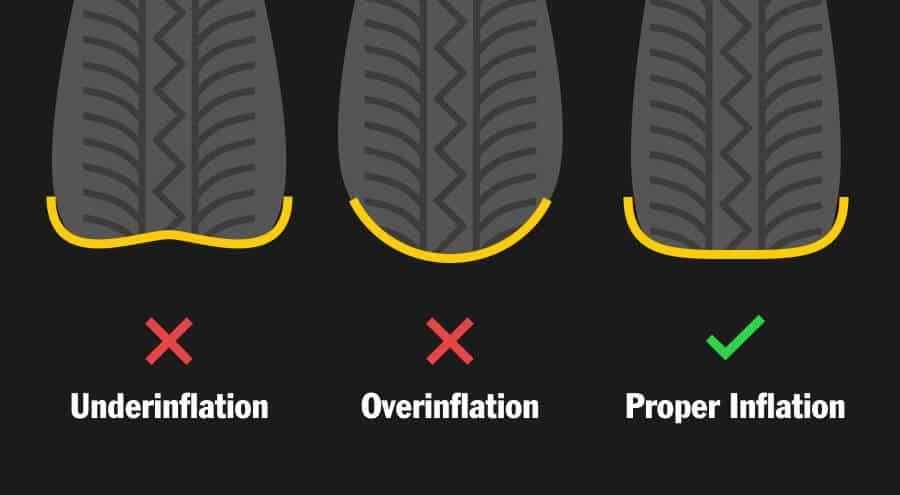
- Accelerated Tire Wear: Underinflation causes the tire to bulge at the shoulders, leading to excessive friction and heat buildup in those areas. This results in rapid and uneven tread wear, significantly shortening your tire's lifespan. What might have been a long-lasting set of tires can be ruined in just a few hundred miles of highway driving if consistently underinflated.
- Increased Risk of Tire Damage and Blowouts: Excessive sidewall flexing generates tremendous heat, especially at highway speeds. This heat weakens the tire's internal structure, increasing the risk of tread separation or a sudden blowout. A blowout at speed can lead to a loss of control, putting you and others in extreme danger. This risk is amplified with heavy loads or prolonged driving.
- Reduced Fuel Efficiency: A soft tire requires more energy to roll. The increased rolling resistance means your engine has to work harder, burning more fuel to maintain speed. What you save in initial airing-down effort, you'll pay for dearly at the gas pump if you don't re-inflate.
- Unnecessary Strain on Suspension Components: While aired-down tires provide off-road comfort by flexing, on-road, they simply translate to less precise feedback and potentially higher stresses on other suspension parts that are now compensating for a soft tire, rather than a properly firm one.
The general rule of thumb regarding speeds with aired-down tires is quite conservative: - 16 PSI: Max 30 mph
- 16-25 PSI: Max 45 mph
- 25-30 PSI: Max 50 mph
Exceeding these limits significantly increases the risks described above. Therefore, the moment you transition from the trail to the tarmac, your priority shifts from maximum traction to optimal road performance.
Unlocking Optimal Road Performance: The Benefits of Correct Tire Pressure After Off-Roading
This is where the magic happens – or rather, where proper maintenance pays dividends. Re-inflating your tires to their manufacturer-recommended pressure after off-roading isn't just a chore; it's a critical step that restores your vehicle's safety, efficiency, and overall driving experience.
Here are the direct benefits of correct tire pressure after off-roading for your on-road performance:
Enhanced Safety and Stability
This is perhaps the most critical benefit. Properly inflated tires provide the structural integrity needed for safe road driving. The firm sidewalls support the vehicle's weight, maintain the correct tire shape, and ensure an optimal contact patch with the pavement.
- Predictable Handling: Your steering becomes responsive and precise. The vehicle tracks straight, responds predictably to inputs, and feels stable through turns, even at highway speeds.
- Improved Braking Performance: A stable, correctly inflated tire offers a consistent and efficient contact patch, allowing your braking system to perform optimally. This translates to shorter stopping distances and better control during emergency stops.
- Reduced Risk of Rollover: Stability is paramount for taller vehicles like 4x4s. Correct tire pressure reduces tire flex and sway, significantly lowering the risk of rollover, especially during sudden maneuvers.
Maximized Tire Longevity
Tires are a significant investment, especially the robust, off-road-capable ones. Maintaining correct pressure is the single most effective way to protect that investment and extend their service life.
- Even Tread Wear: When tires are correctly inflated, the load is evenly distributed across the entire tread surface. This promotes uniform wear, preventing premature deterioration of the shoulders (if underinflated) or the center (if overinflated). Even wear means you get the full life out of your expensive tires.
- Prevention of Overheating: As discussed, underinflation causes excessive heat buildup. Correct pressure minimizes sidewall flexing and rolling resistance, keeping tire temperatures within safe operating limits, which prevents the internal structural damage that leads to early tire failure.
Improved Fuel Efficiency
In an era of fluctuating fuel prices, every little bit helps. Correct tire pressure plays a significant role in your vehicle's fuel economy.
- Reduced Rolling Resistance: A properly inflated tire maintains its intended shape, minimizing its contact patch and reducing the effort required for it to roll. Less resistance means less work for your engine, directly translating to fewer trips to the gas station. It’s a simple, yet highly effective, way to save money.
Superior Handling and Ride Comfort
While airing down provides off-road comfort, correct pressure delivers on-road comfort and superior handling.
- Responsive Steering: You regain the crisp, direct steering feel your vehicle was designed for. No more vague, delayed responses; the vehicle goes where you point it, immediately.
- Reduced Tire Squirm: Underinflated tires "squirm" and flex excessively during cornering and braking, leading to a disconnected feel. Correct pressure eliminates this, providing a firm, confident ride.
- Optimal Suspension Performance: Your vehicle's suspension system is designed to work in conjunction with properly inflated tires. Correct pressure allows the suspension to absorb road imperfections effectively without the added variable of overly soft tires, contributing to a smoother, more controlled ride.
Reduced Risk of Blowouts and Punctures on Pavement
While airing down protects against off-road punctures, correct inflation protects against on-road hazards.
- Heat Management: Correct pressure ensures tires operate within safe temperature ranges, drastically reducing the likelihood of a sudden blowout caused by heat-induced structural failure, especially during long highway stretches.
- Structural Integrity: A properly inflated tire is robust. It's less prone to being pinched against a pothole rim, which can cause internal damage or a sidewall rupture that might not manifest until later.
Compliance and Confidence
Finally, operating your vehicle within manufacturer specifications simply gives you peace of mind. You know your vehicle is set up for its intended road conditions, reducing stress and increasing confidence in its performance capabilities. Drivers who actively adjust PSI for conditions have reduced recovery incidents by nearly 50%, highlighting the tangible benefits of this diligence.
Finding Your Sweet Spot: Determining Correct Road Pressure
So, you're convinced that airing up is vital. But what is the "correct" pressure? Fortunately, this isn't a mystery.
Your vehicle manufacturer provides specific recommendations for optimal road tire pressure. You'll typically find this information in a few key places:
- Driver's Side Door Jamb: Look for a sticker on the inside of the driver's side door frame. This sticker will list the recommended PSI for both front and rear tires, often for both light and heavy loads.
- Owner's Manual: Your vehicle's owner's manual contains a wealth of information, including the recommended tire pressures.
- Fuel Filler Flap: Some vehicles also place a tire pressure sticker on the inside of the fuel filler flap.
Important Note: The PSI rating molded into your tire's sidewall is the maximum allowable pressure, not the recommended operating pressure for your vehicle. Always follow your vehicle manufacturer's guidelines.
Always check tire pressure when the tires are "cold" – meaning the vehicle hasn't been driven for at least three hours, or no more than a mile at low speed. Driving heats tires, which temporarily increases pressure, giving you a falsely high reading.
Keep in mind that tire pressure can fluctuate with temperature changes. For every 10-degree Fahrenheit (approx. 5.5 degrees Celsius) change in ambient temperature, your tire pressure can change by about 1 PSI. This means if you air up in a cold morning, your pressure might rise slightly in the midday heat, and vice-versa. Regular checks are key.
The Art of Re-Inflation: Tools and Techniques for Airing Up
Bringing your tires back to road-ready pressure requires the right tools and a simple routine. This isn't just about throwing air in; it's about precision and consistency.
Essential Tools for Airing Up
- High-Quality Tire Pressure Gauge: Forget the cheap plastic stick gauges. Invest in a precise, reliable digital or analog gauge. Accuracy is paramount for setting correct road pressure.
- Portable Air Compressor: This is your best friend after a day on the trails. There are many options, from compact 12V units that plug into your vehicle's accessory port to powerful twin-cylinder compressors that can air up larger tires quickly. Choose one that matches your tire size and desired inflation speed.
The Re-Inflation Routine
- Park Safely: Find a level, safe spot off the road to perform your re-inflation.
- Check Your Target PSI: Refer to your door jamb sticker or owner's manual for the recommended road pressure for your specific vehicle and tire size.
- Connect Your Compressor: Attach the air hose securely to the tire's valve stem.
- Inflate Gradually: Begin airing up. Most compressors have a built-in gauge, but always double-check with your separate, accurate gauge. Inflate in short bursts, checking the pressure frequently. It's easier to add air than to remove it precisely.
- Be Patient: Re-inflating four large off-road tires from 15 PSI to 35 PSI or higher takes time. Don't rush the process.
- Check All Tires: Ensure all four tires are inflated to their correct, cold pressure. Remember, some vehicles recommend different pressures for front and rear axles.
Mastering the art of re-inflation is a skill every off-roader should possess. For a more detailed walkthrough and to explore various compressor options, you'll want to check out Your complete guide to airing up. This comprehensive resource will empower you to make informed decisions about your gear and technique, ensuring you're always ready for the transition from dirt to asphalt.
Common Pitfalls and Misconceptions
Even seasoned off-roaders can sometimes fall prey to common mistakes or misconceptions about post-trail tire pressure.
"It's only a short drive home. I'll be fine."
This is one of the most dangerous assumptions. Even a short drive on pavement with significantly underinflated tires can lead to:
- Immediate Safety Risks: A sudden emergency stop or swerve could be catastrophic due to poor handling.
- Rapid Tire Degradation: Just a few miles at highway speeds can generate enough heat to cause internal tire damage that isn't immediately visible but will shorten its lifespan.
- Legal Implications: Driving with improperly inflated tires can be cited as a factor in an accident, potentially impacting insurance claims.
Always re-inflate before hitting paved roads, regardless of distance.
"My tires look okay; they don't seem that low."
Visual inspection is simply not accurate enough. Modern radial tires, especially larger off-road tires, can appear adequately inflated even when they are significantly below recommended pressure. Trust your gauge, not your eyes. The difference between 15 PSI and 35 PSI might be subtle visually but dramatic in performance.
"More pressure is always better for the road."
While underinflation is dangerous, overinflation also has drawbacks. An overinflated tire will have a smaller contact patch, reducing traction and potentially causing the center of the tread to wear prematurely. It can also lead to a harsher, less comfortable ride and make your tires more susceptible to damage from impacts (e.g., potholes). Stick to the manufacturer's recommended PSI.
Beyond the PSI: Related Considerations
While tire pressure is paramount, a few other factors can influence your post-off-road road performance and tire longevity.
- Vehicle Load: If you've loaded your vehicle heavily for an expedition (camping gear, extra fuel, rooftop tent), you might need to adjust your tire pressure slightly upwards from the standard recommendations to compensate for the added weight. Always consult your vehicle's manual for heavy load recommendations.
- Tire Type and Construction: The type of tire you have (e.g., Load Range C, D, or E) impacts its load-carrying capacity and optimal pressure ranges. Heavier-duty tires often require higher pressures to support their rated load. While the manufacturer's door jamb sticker accounts for the vehicle's needs, understanding your tire's specifications is also valuable for overall tire health.
- Tire Condition Inspection: After a rigorous off-road adventure, take a moment to inspect your tires for any damage before airing up. Look for cuts, bulges, embedded objects, or sidewall scrapes that might have occurred on the trail. Addressing these issues before high-speed road driving is crucial.
Your Post-Off-Roading Checklist: Don't Hit the Road Without It
Making the transition from trail to pavement should be a methodical, safety-first process. Implement this checklist into your routine every time you finish an off-road excursion:
- Find a Safe Spot: Pull over in a safe, level area away from traffic.
- Locate Your Target PSI: Double-check your vehicle's door jamb sticker for the recommended cold tire pressure for road driving.
- Inspect Your Tires (Visually): Before you add air, quickly scan each tire for obvious damage like deep cuts, bulges, or punctures. It's much safer to find an issue now than at highway speed.
- Connect and Inflate: Attach your air compressor and begin inflating each tire.
- Use an Accurate Gauge: Frequently check the pressure with a separate, high-quality tire pressure gauge. Inflate to the recommended PSI.
- Check All Four (or Five!) Tires: Don't forget your spare if it's been exposed to trail conditions or if you used it. Ensure all road-going tires are at the correct pressure.
- Store Your Gear: Neatly pack away your compressor and gauge.
- Re-Assess Driving Style: Once on the road, remember you're no longer in off-road mode. Drive cautiously, paying attention to your vehicle's renewed responsiveness and stability.
This simple yet critical routine will not only protect your investment in tires and vehicle components but, most importantly, ensure the safety of everyone in your vehicle and on the road around you. The disciplined off-roader understands that the adventure isn't truly over until the tires are correctly set for the journey home.